STEM Learning With Dotty's Place
Blog
Sneaking in STEM: Authentic Learning When Time Is Limited

As a kindergarten teacher, one of my favorite bonding activities was to tell the class we were going to do something sneaky. I would turn all hush-hush, while looking around. I’d pretend to noticeably think to myself. I’d whisper to the class that I was letting them do something they probably shouldn’t be doing. I’d say how I hoped we didn’t get caught. It usually involved a lot of giggles... My students never realized that there was always a cognitively-related purpose..
1. Small Moments, Big Thinking
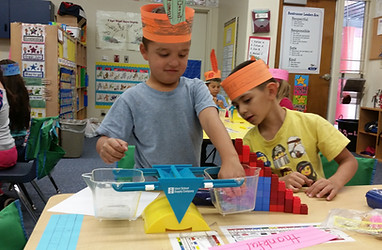
Some of the most meaningful STEM learning in my classroom didn’t happen during long projects. It grew out of short moments when students had time to explore, experiment, and test their ideas. This reflection looks at how those small opportunities helped students practice the thinking skills that STEM learning requires.
Related Download: STEM Learning Behavior Poster
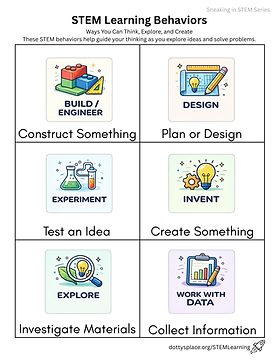
This visual guide highlights six STEM learning behaviors students can practice during exploration time.
The download includes a student reference sheet and half sheet descriptions for teaching purposes.
Teachers can use these visuals for classroom reference or conversation starters.
2. When Preparation Changed Everything
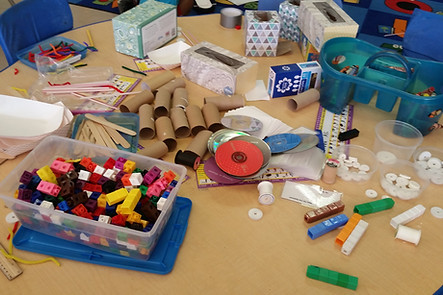
For a long time, STEM lessons felt harder than they needed to be. Materials took time to pass out, transitions felt messy, and students often lost focus before the real learning began. What eventually changed everything was something simple: preparation. Once materials and routines were organized ahead of time, STEM activities became easier to manage and far more productive.
Related Download: Planning STEM Into Your Lessons
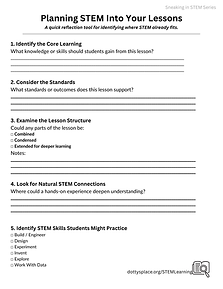

A quick planning tool to help teachers identify where STEM learning can naturally connect to the topics they already teach.
3. Where STEM is Already Hiding
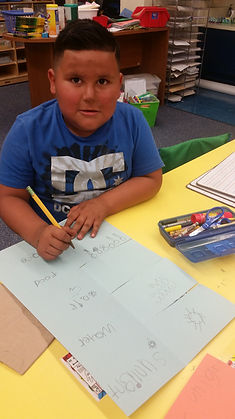
At some point I realized that STEM didn’t always need its own place in my schedule. Many of the lessons I was already teaching were full of opportunities for students to observe, test ideas, and explain what they were discovering. Once I began looking for those moments, I found that STEM learning was already hiding in many parts of the day.
Related Download: Need a STEM Activity
A quick reference guide showing simple ways teachers can connect STEM exploration to the topics they are already teaching.

4. Choosing What Actually Matters
Over time, I realized that the challenge in teaching STEM wasn’t finding more activities. The real challenge was deciding which ones were worth the time. By paying closer attention to standards, learning goals, and the needs of my students, I began choosing activities that offered deeper thinking instead of quick tasks that added little value.
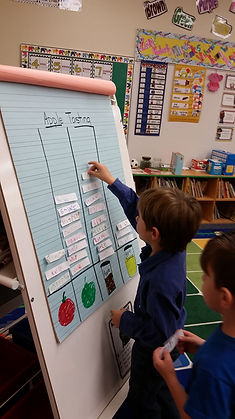
5. 5 Minute STEM Challenge
Need a quick STEM activity? Try one of these short challenges and see what your students create. Each challenge encourages building, experimenting, exploring, or working with data using simple materials and student creativity.


STEM Challenge
Press "New Challenge" to begin.